Low-Code Checklist Builder
## key insight
The platform was built by developers, for developers. Non-technical ops users were calling support for things that should be self-serve. A unified design system and rebuilt UX turned support costs into product capability.
## the challenge
The product was built by developers, for developers. The business wanted to sell to ops teams, safety officers, and franchise managers. None of them spoke JSON. The UX had to be rebuilt from scratch to serve a fundamentally different user.
## architecture & process
┌─User research + usability testing· grounded redesign in actual user needs
├─Google Analytics + Hotjar· behavioral data, heatmaps, session analysis
├─Unified design system· tokens + components, Figma library
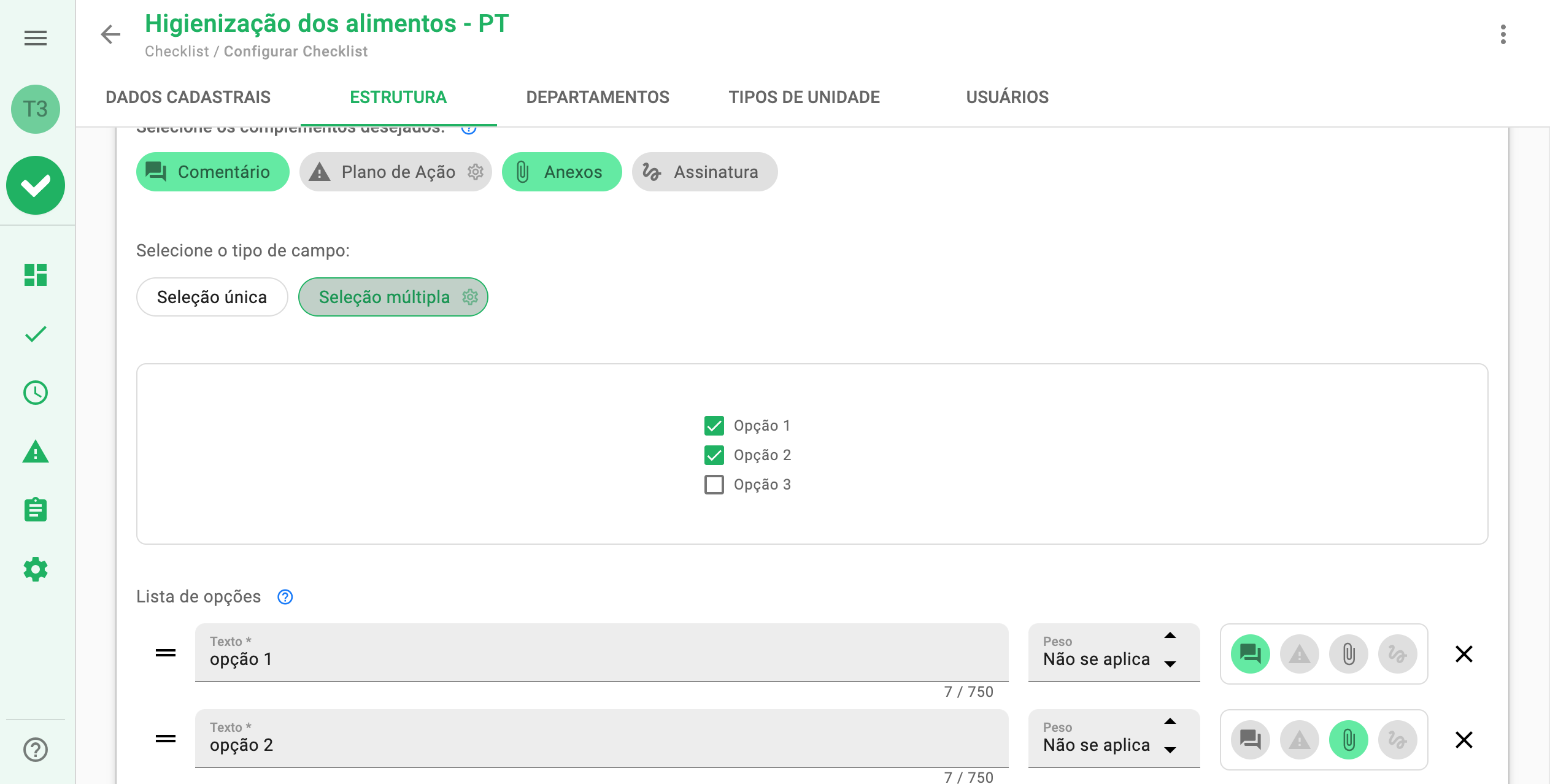
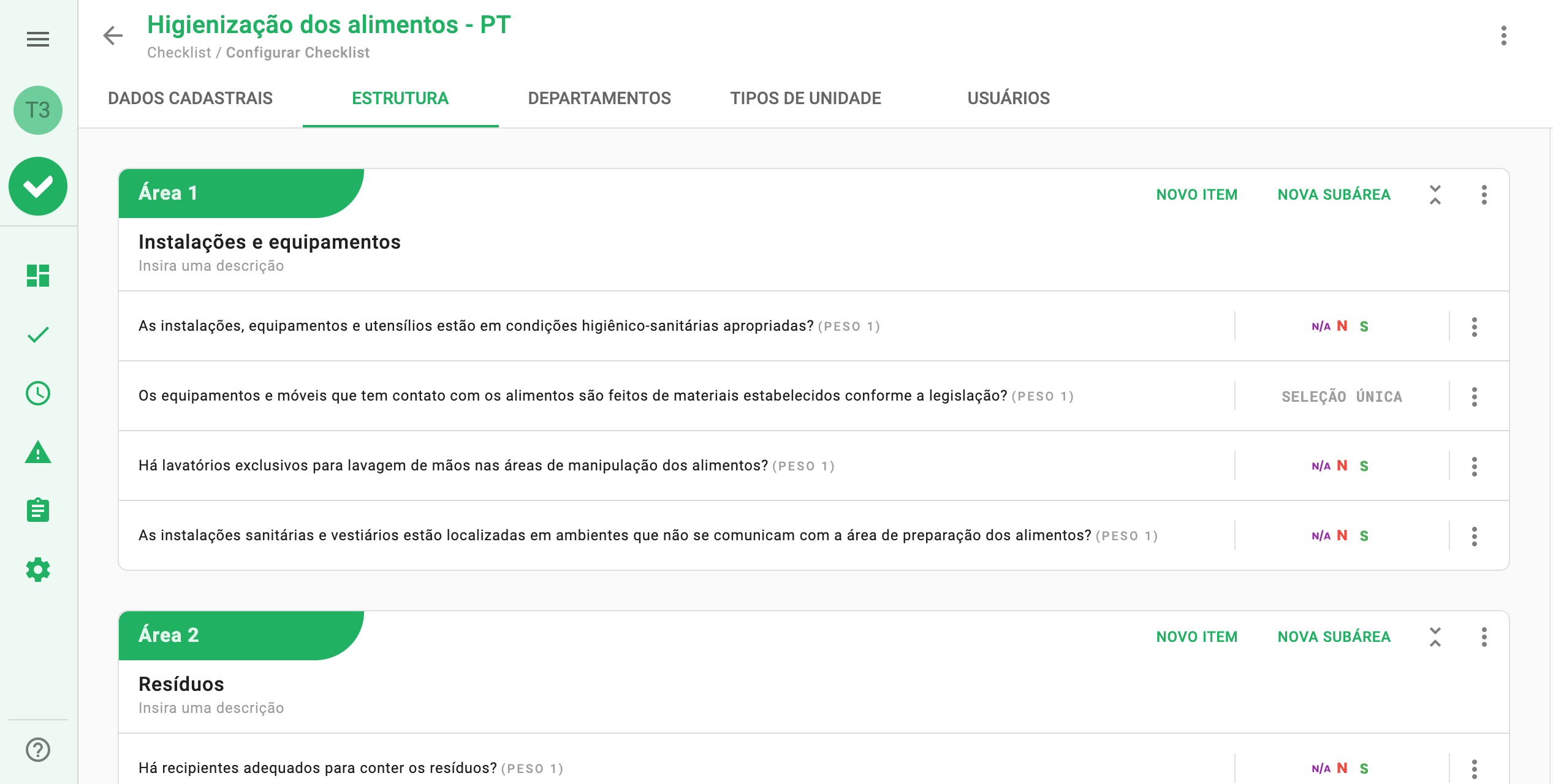
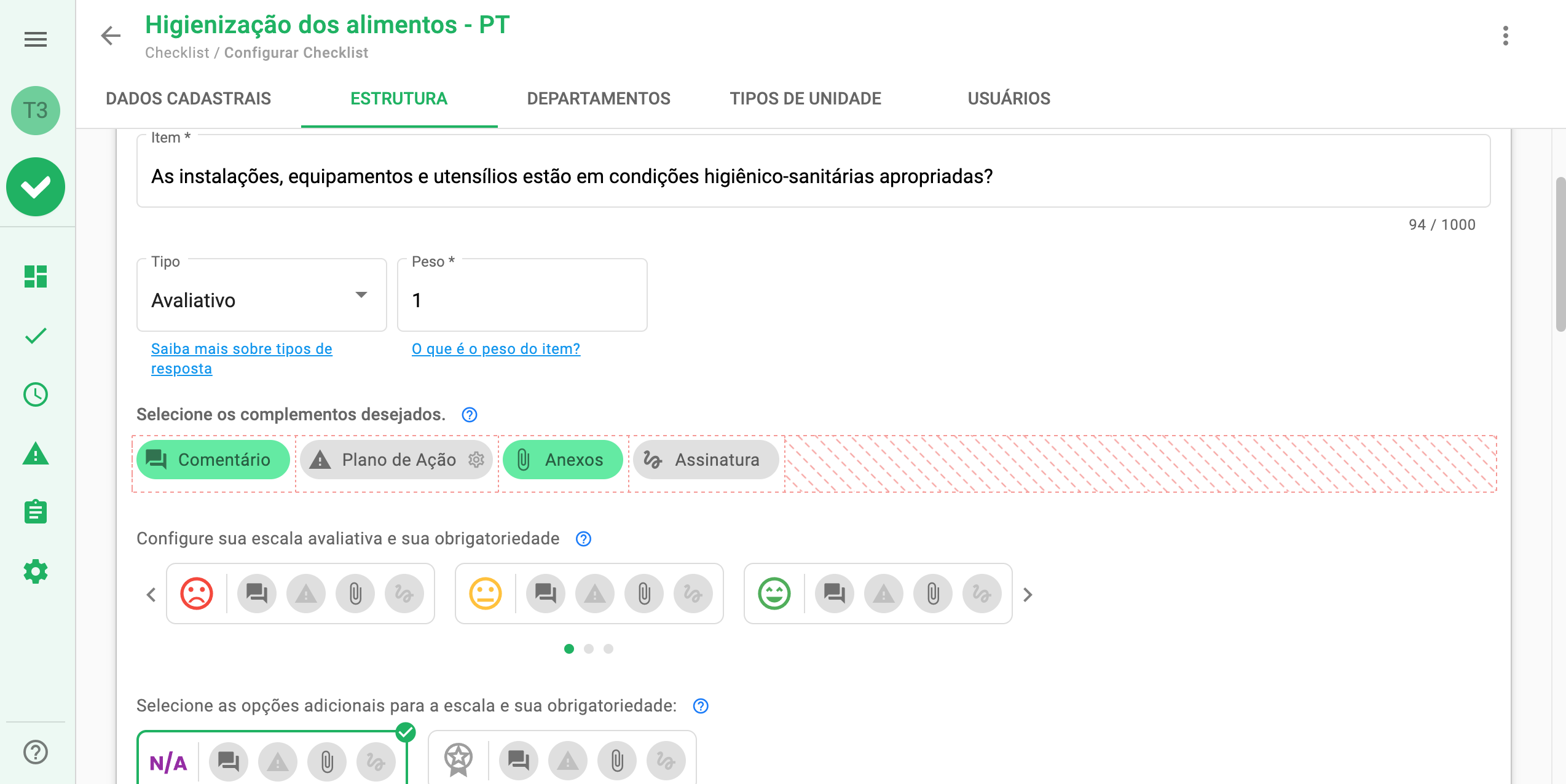
├─Low-code builder redesign· self-serve, no scripting required
└─Design-dev handoff process· reduced rework, faster iteration
## key decisions
- Rebuilt the UX from the ground up — not a patch on the developer-centric interface. The mental model was wrong for the target user.
- Unified the design system first. Inconsistency was slowing both design iteration and engineering handoff simultaneously.
- Used Hotjar heatmaps alongside usability testing to triangulate where real friction lived versus assumed friction.
- Mentored junior designers and defined UX direction for the product team.
## results
↓ tickets
support load reduced
expanded
into new industry verticals
unified
design system across product
mentored
junior designers on the team
## tools used
FigmaAdobe XDGoogle AnalyticsHotjarPower BI
## screens